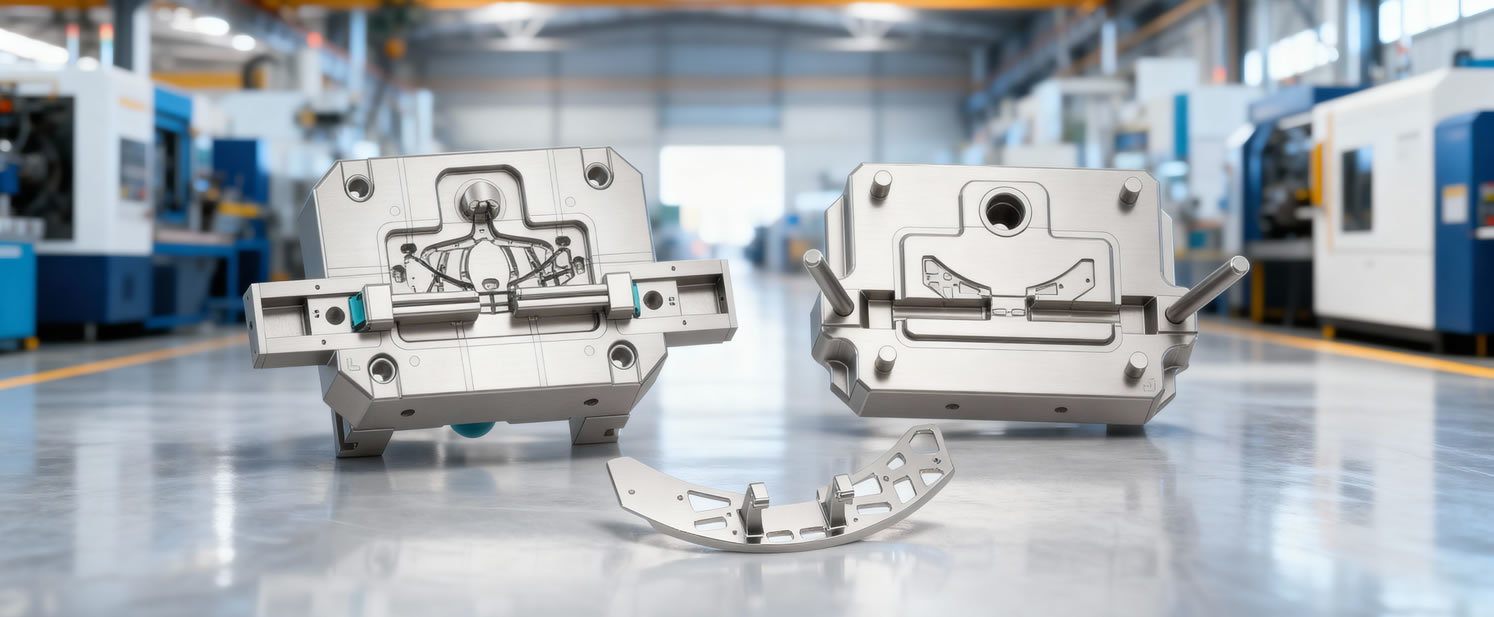
GP Mold leverages advanced mold manufacturing and high-tonnage injection molding capabilities to provide global companies with customized plastic parts solutions that are high-precision, high-strength, and highly consistent.
Precision, scalability and dependable quality for production and prototypes.
Tight tolerances and stable repeatability.
Rapid tooling and efficient scheduling.
ABS, PC, PP, PA, TPE and more.
Process control and full inspection.
Key messages paired with visuals to communicate capabilities.
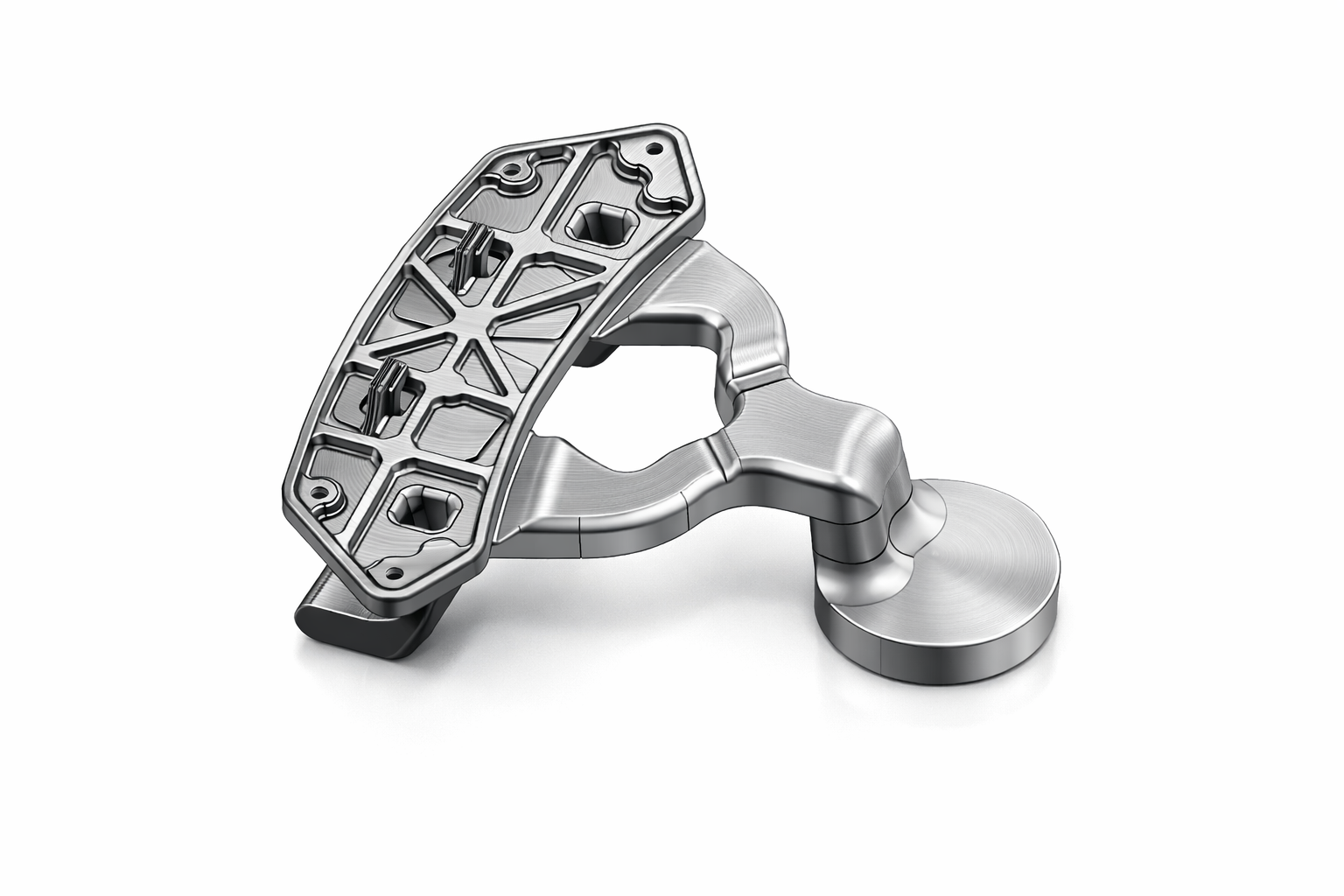
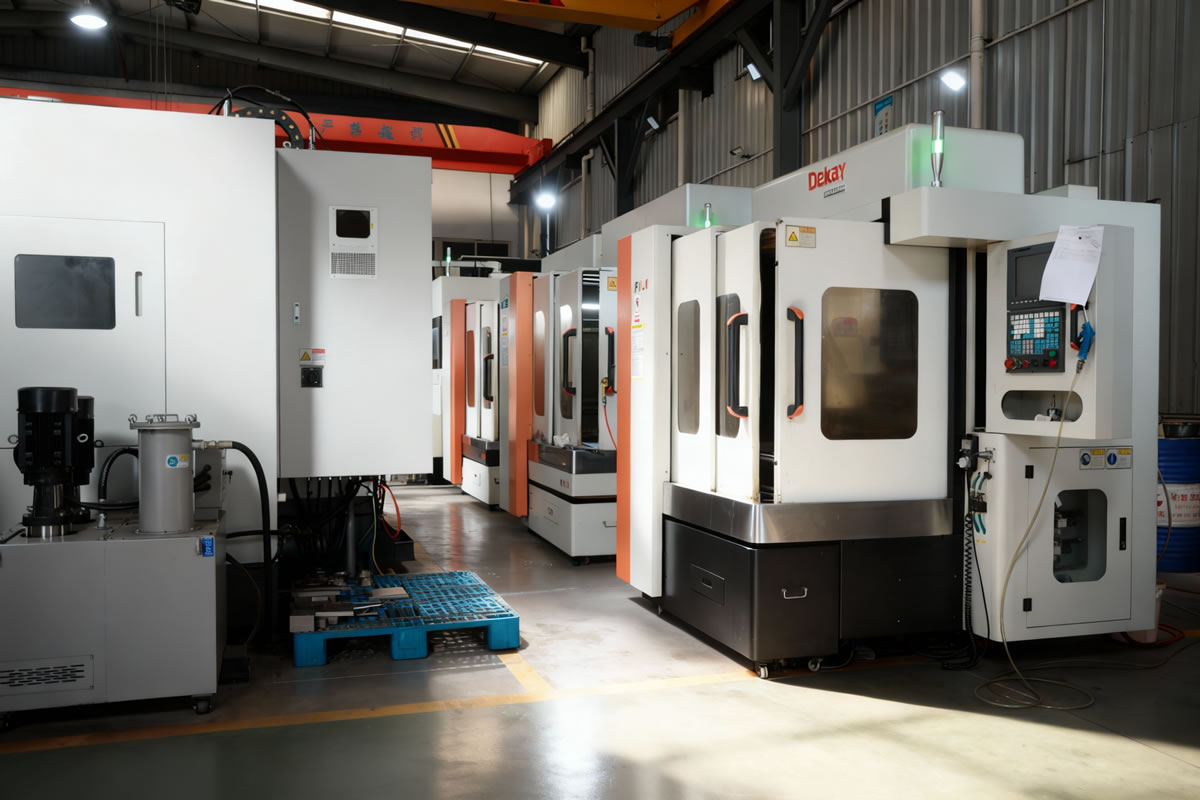
GP Mold utilizes high-precision machining centers and a multi-dimensional inspection system (CMM, 3D scanning, visual inspection, and T1 trial mold data acquisition) to achieve consistent control of cavities, cores, deep cavity structures, overflow channels, venting systems, and mold parting surfaces. We have extensive experience in processing large integrated vehicle chassis molds, highly complex engine block molds, thin-walled 3C housing molds, and vacuum die-casting molds. This ensures stable mold tolerances, uniform wall thickness, and balanced melt filling, preventing trapped air, shrinkage cavities, cold shuts, thermal cracking, and deformation, significantly improving verification speed and mass production yield.
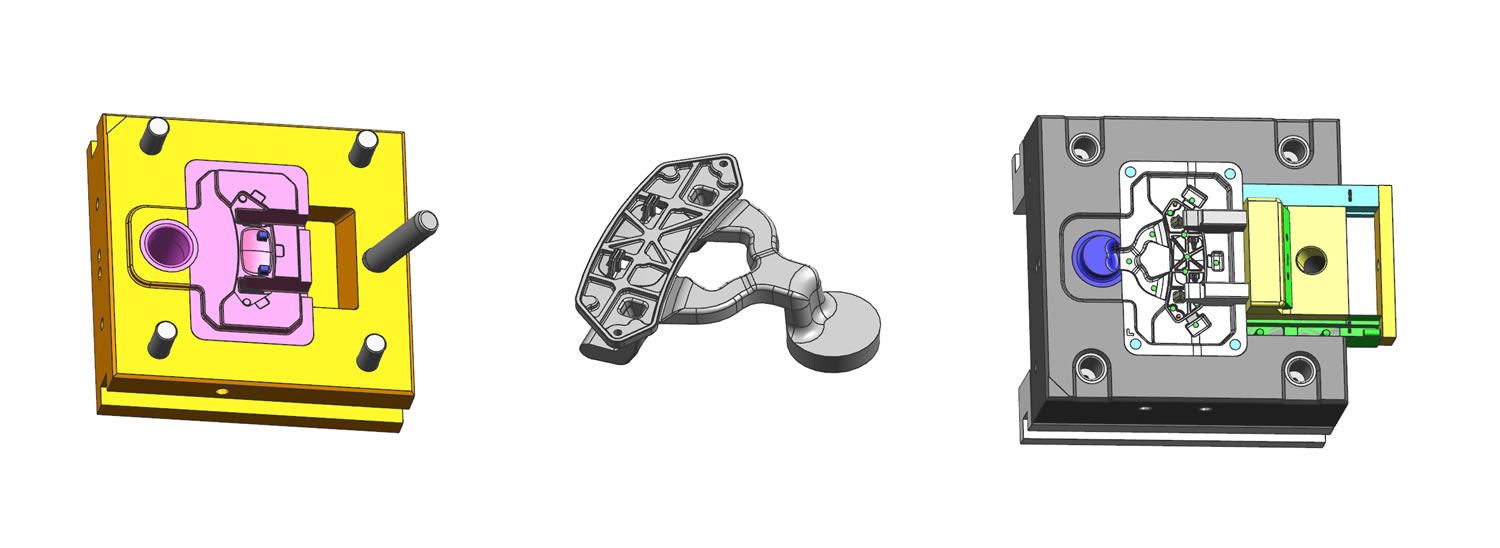
GP Mold adopts a "one project, one solution" mold development strategy, offering precisely customized die casting mold solutions based on the customer's product design, alloy properties, die casting machine tonnage, usage scenarios, and production capacity requirements. Our engineering team is involved in the early stages of design, providing DFM optimization suggestions, focusing on optimizing the gating system and overflow design for thermal shock resistance, uniform cooling (temperature difference ≤10℃), and vacuum venting. We also independently customize the mold structure, mold temperature control circuit, cooling plan, core pulling design, and surface treatment solutions, ensuring stable scalability during both testing and mass production.
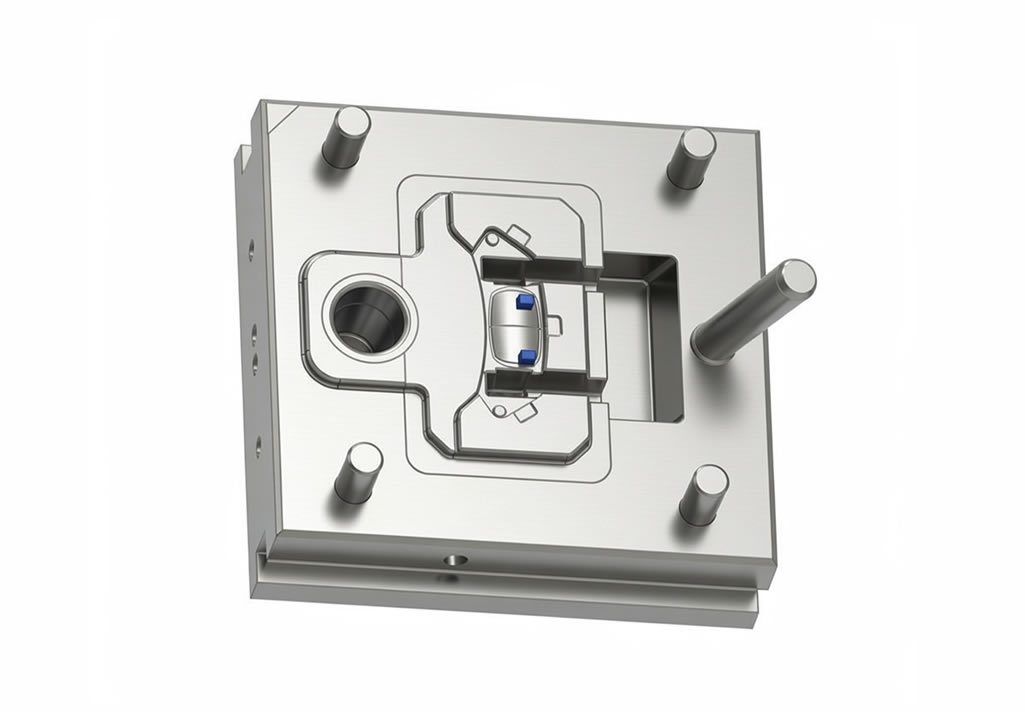
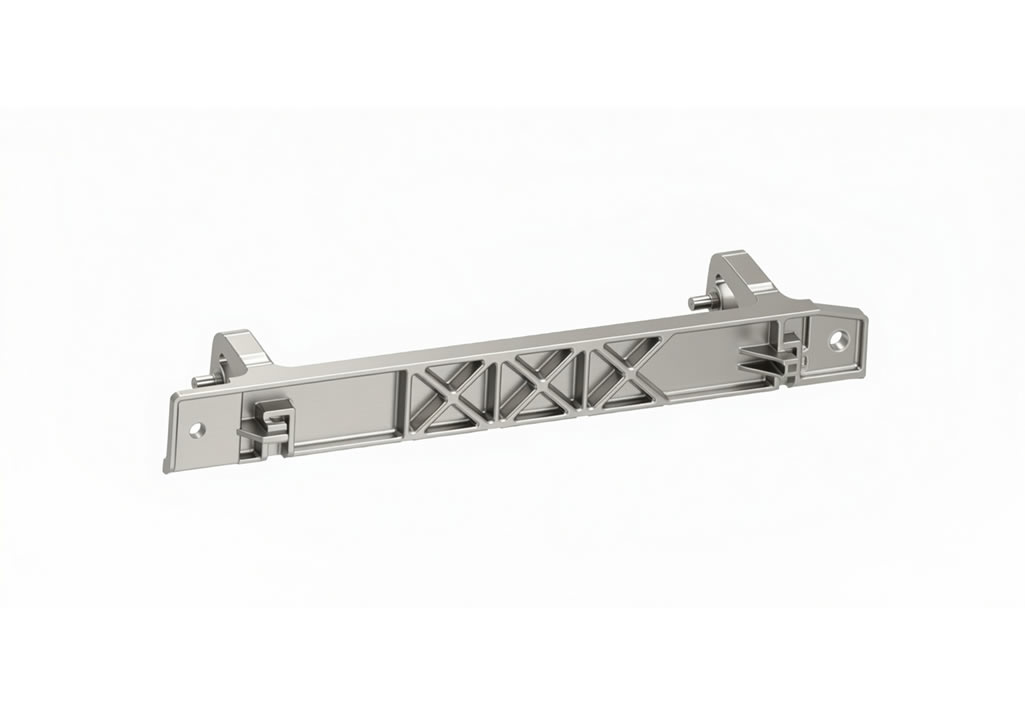
GP Mold's material system and heat treatment solutions significantly improve mold durability in die casting production. Thanks to high-grade hot-work die steel and advanced coating processes, the molds can reliably withstand high-temperature thermal shock (400-720℃), high-pressure mechanical loads, and alloy wear, reducing common failure risks such as thermal cracking in the cavity, corrosion, erosion, cracking, and deformation. This helps customers extend mold lifespan (300,000 to 1,000,000 cycles for aluminum alloys and over 1,500,000 for zinc alloys) and reduce overall maintenance costs.
We optimize the molding cycle through CAE mold flow simulation, hot runner system design, and efficient cooling engineering (including 3D-printed conformal cooling channels) to ensure high production capacity on the customer's die-casting platform. Precise planning of gate locations, venting systems, and cooling systems shortens cooling time, improves part dimensional stability, and reduces porosity, shrinkage cavities, and scrap rates, directly increasing customer productivity, lowering unit costs, and guaranteeing consistent mass production over the long term.
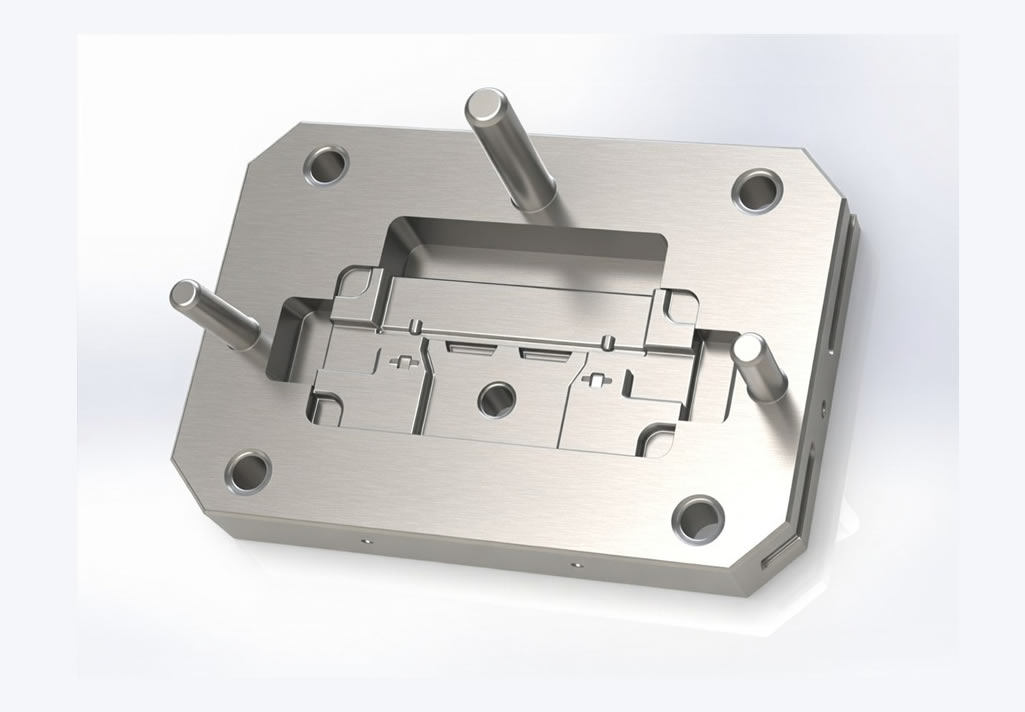
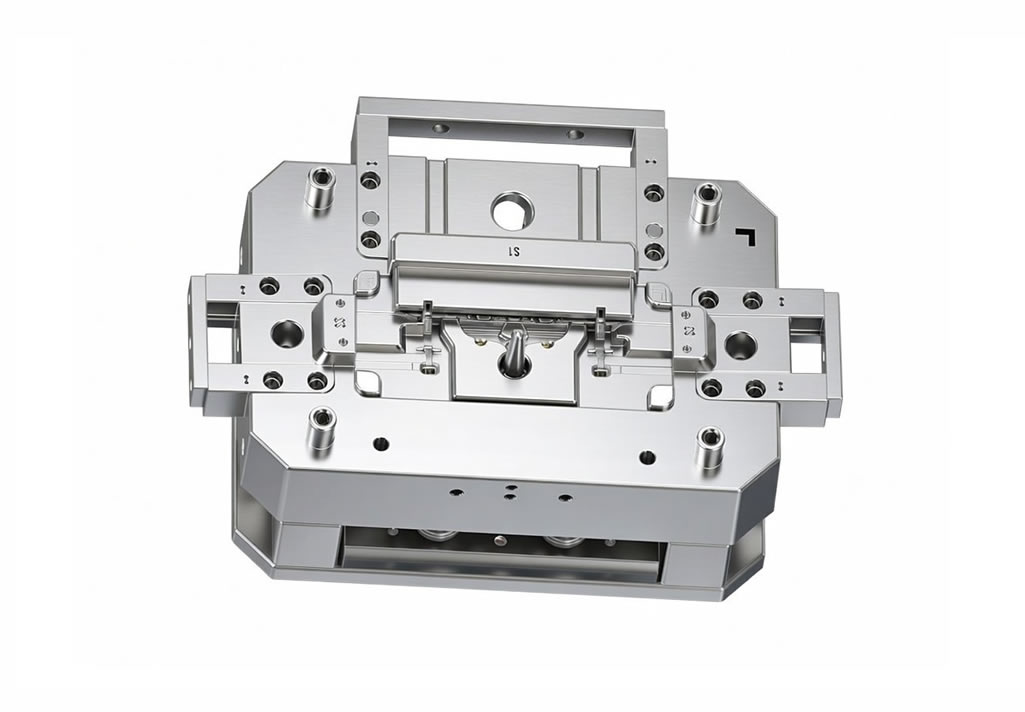
GP Mold, certified to ISO 9001 and IATF 16949 standards, implements rigorous quality control and data recording at every stage, from raw material reception and mold processing to assembly and finishing, T1 trial molding verification, pilot production, and mass production. We perform full-scale durability, filling, demolding, thermal stability, venting effect, and functional testing of the molds to ensure they meet global standards for die-cast parts before final delivery. Furthermore, we manage the traceability of the entire process and offer international logistics capabilities for parts production.
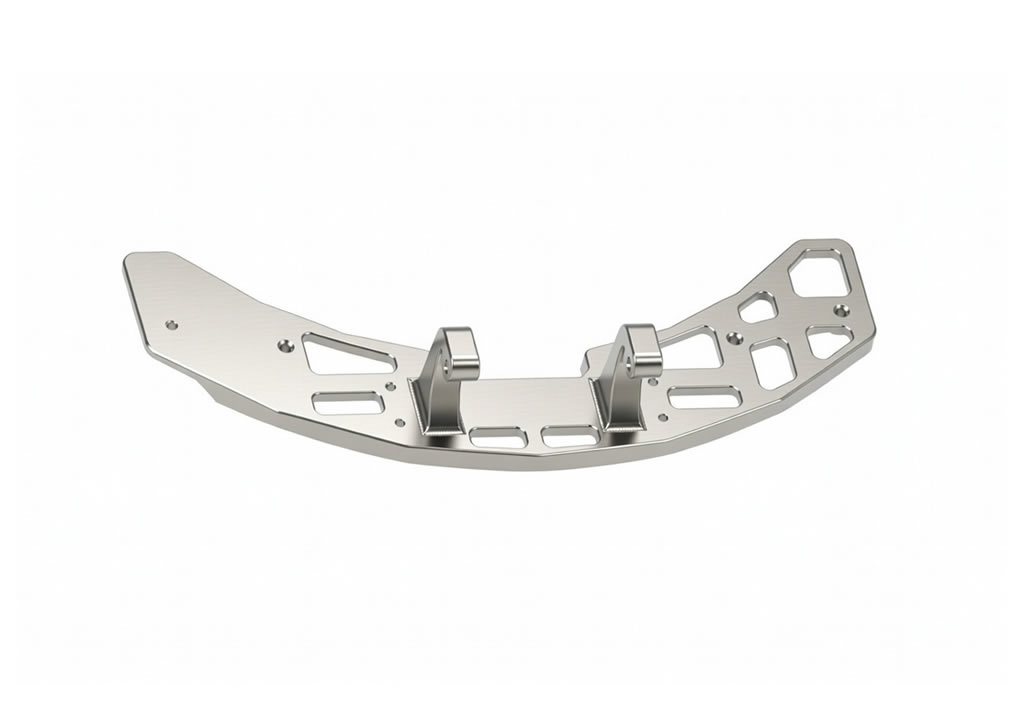
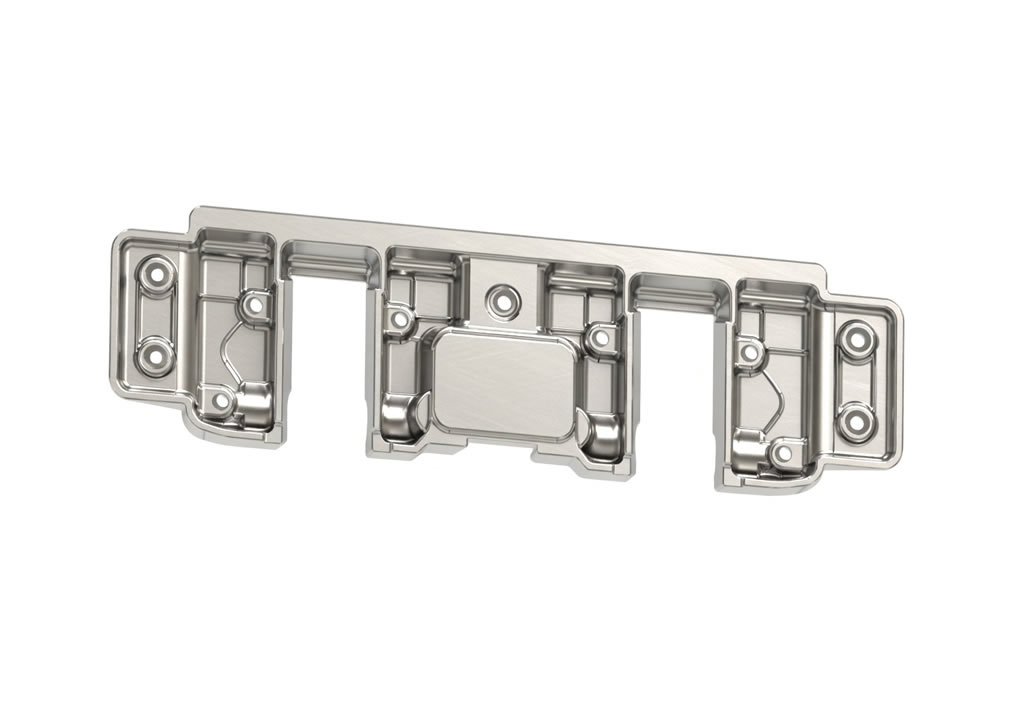
Get a quick quote from our team today.
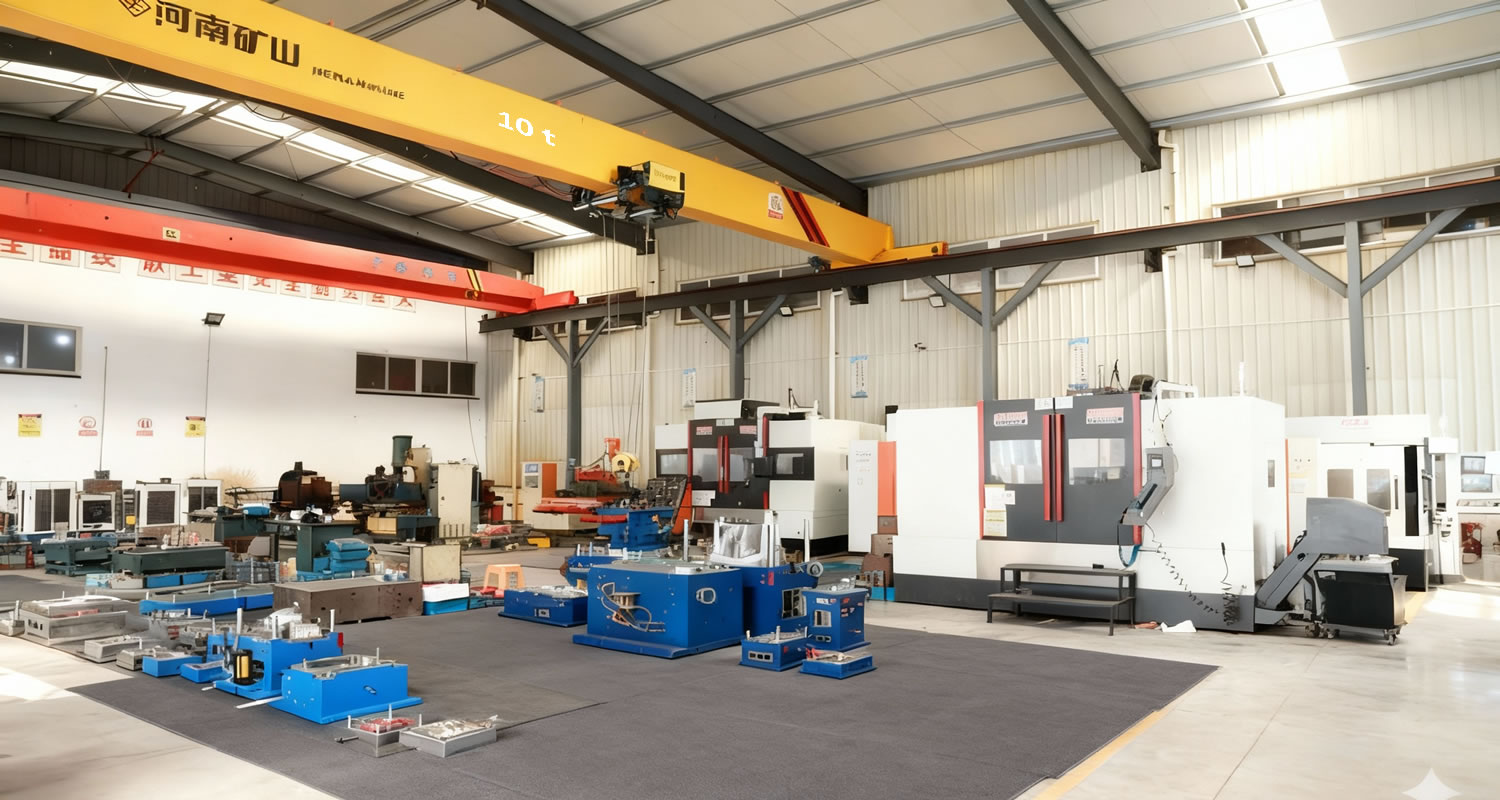
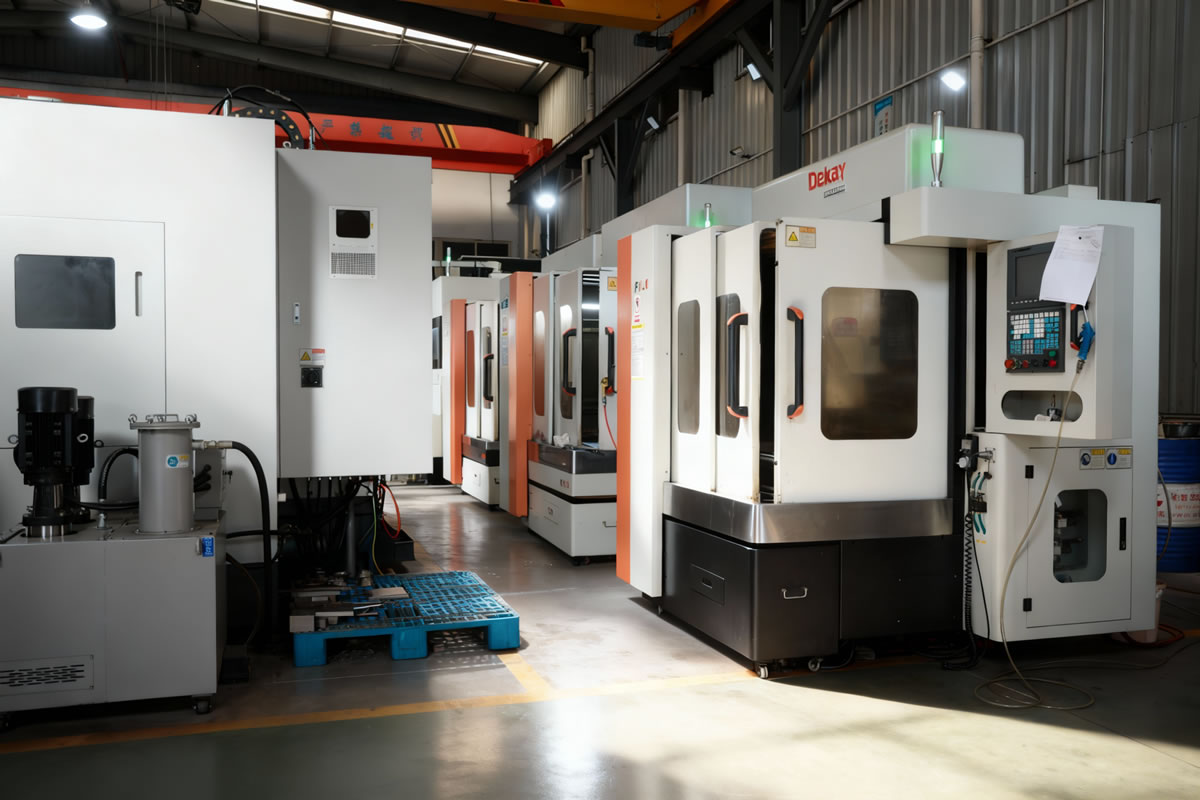
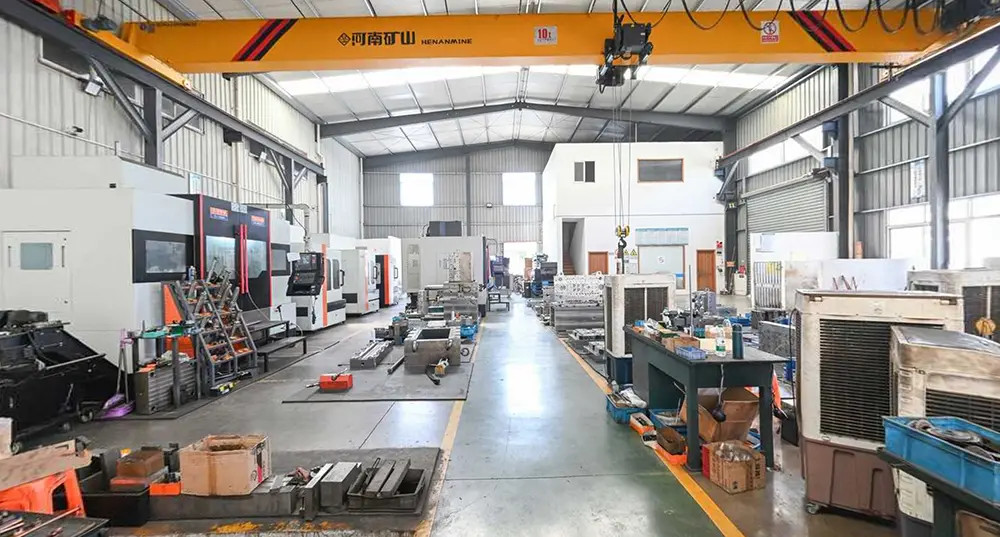
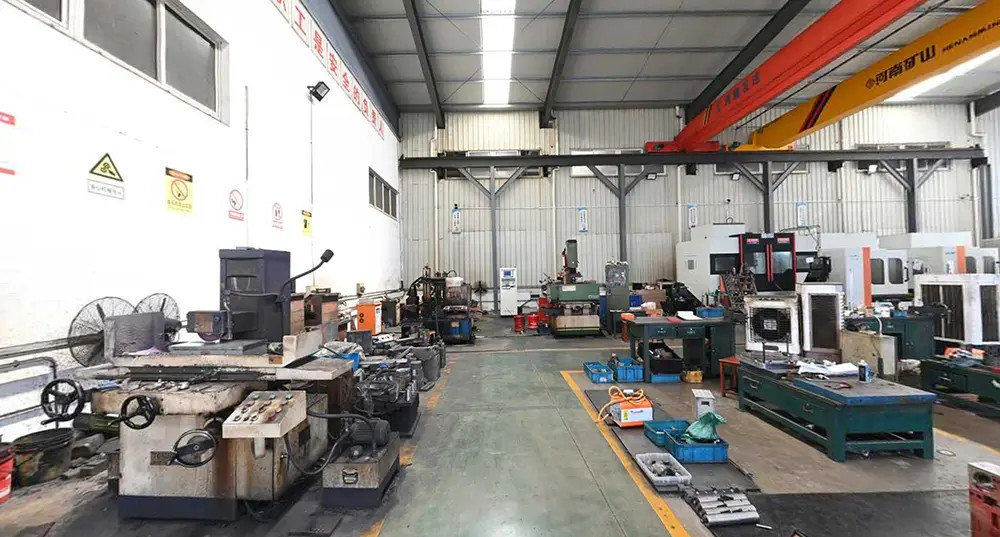
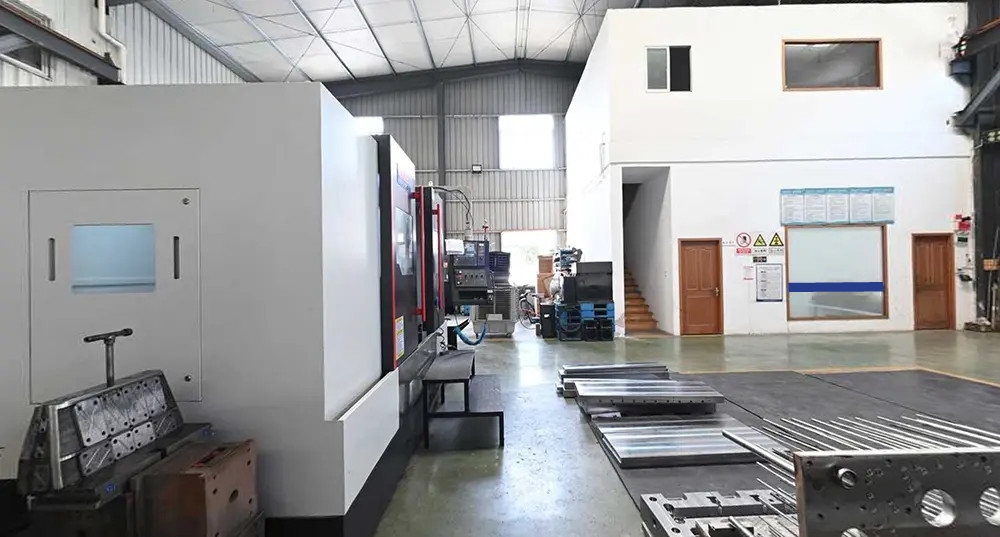
Take a closer look at our precision workshop, machining area and production environment.
 GPMold