GP Mold leverages advanced mold manufacturing and high-tonnage injection molding capabilities to provide global companies with customized plastic parts solutions that are high-precision, high-strength, and highly consistent.
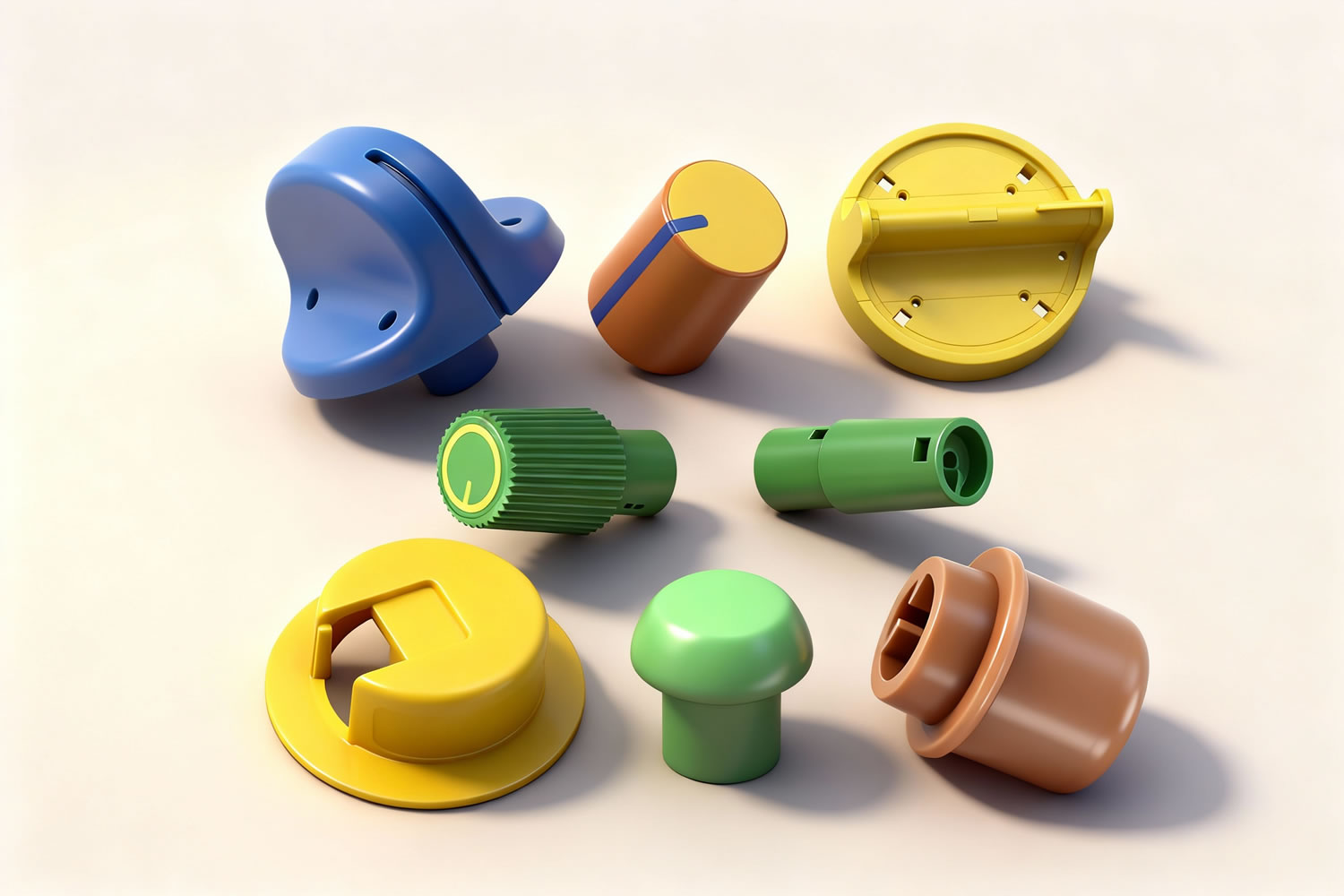
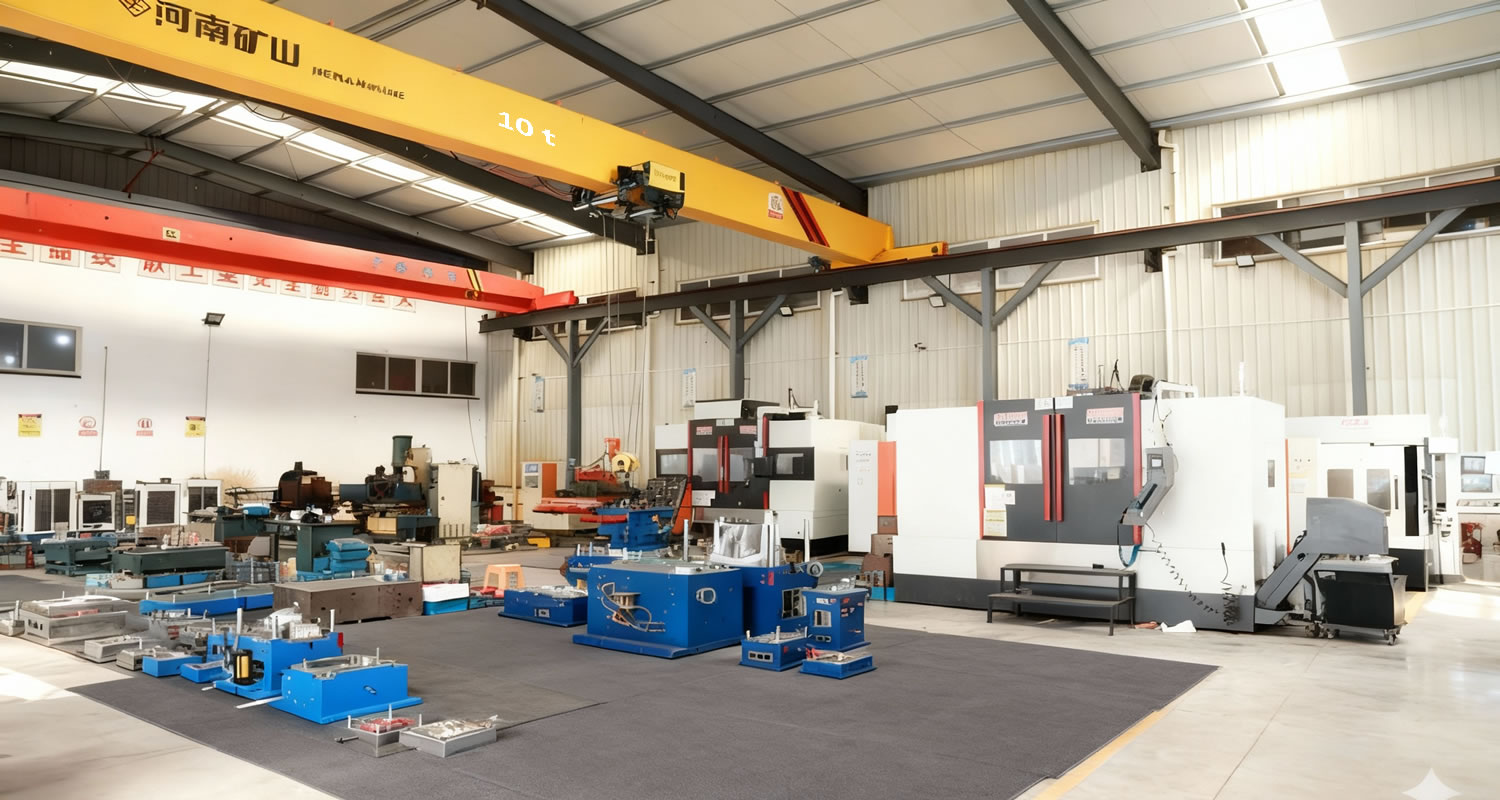
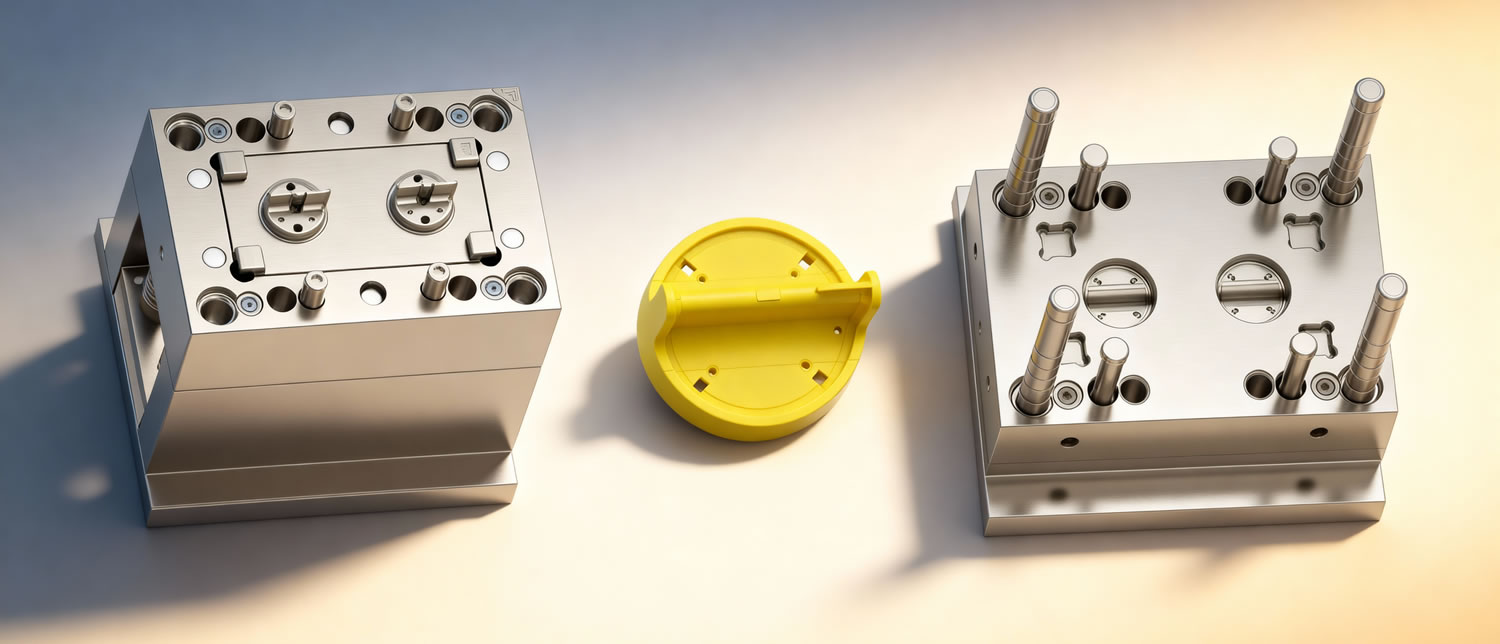
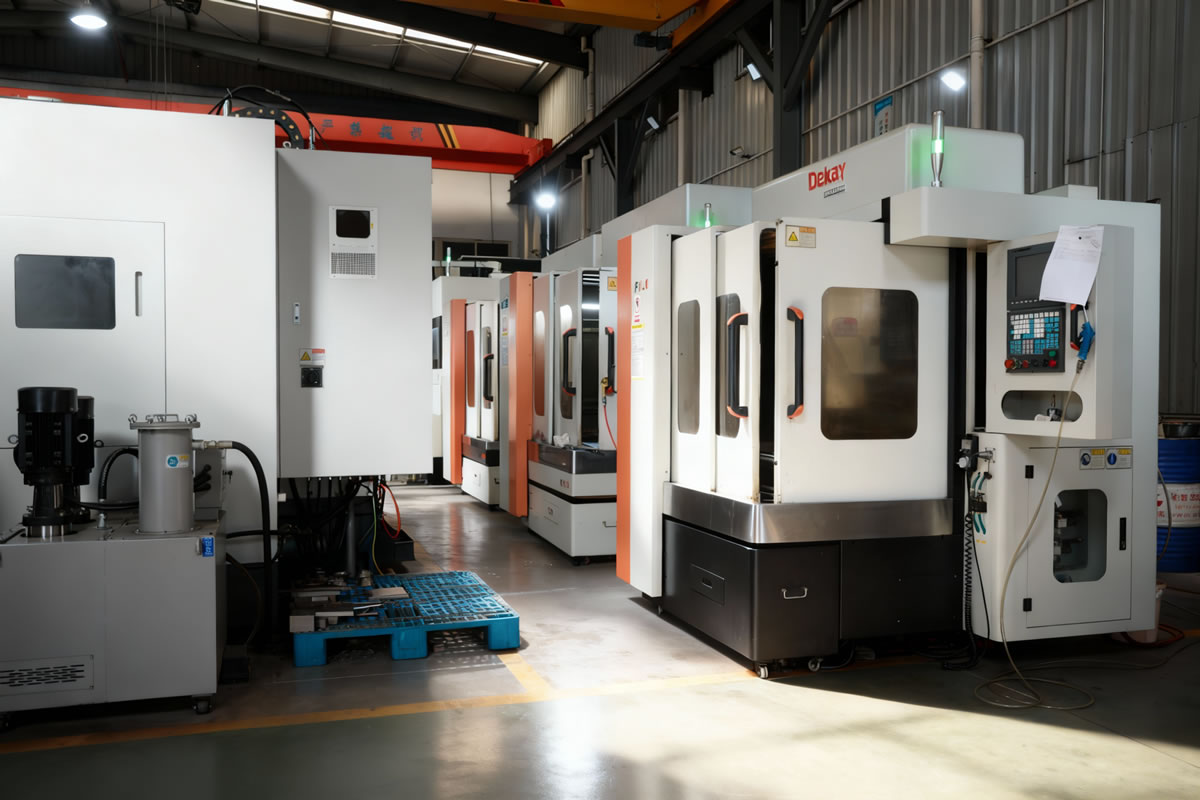
Precision, scalability and dependable quality for production and prototypes.
Tight tolerances and stable repeatability.
Rapid tooling and efficient scheduling.
ABS, PC, PP, PA, TPE and more.
Process control and full inspection.
Key messages paired with visuals to communicate capabilities.
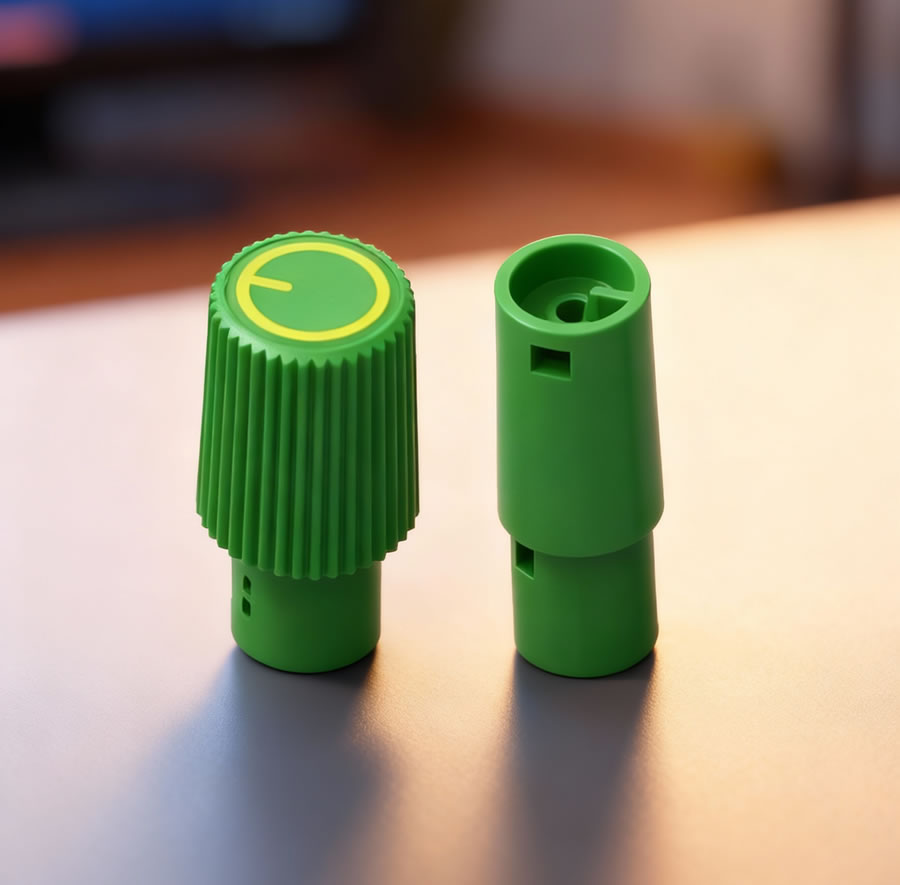
The core value of button products lies in "consistent tactile feel," which demands significantly higher mold precision than ordinary appearance parts. GP Mold employs a combination of high-precision CNC machining, EDM mirror finishing, and precision grinding processes in critical tactile structure areas (such as micro-motion structures, snap points, guide posts, and rotating ratchets), and verifies all dimensions using CMM and profile measuring instruments. For micro-tactile buttons, we use reverse engineering of the press displacement-force curve to directly link mold geometric parameters with tactile feedback data, ensuring low pressure decay rate, stable trigger points, and consistent rebound in mass production.
GP Mold does not use generic button mold solutions, but instead provides targeted customization based on different application scenarios. For home appliances and consumer electronics, we focus on optimizing appearance consistency, character permanence, and backlight uniformity; for the automotive and industrial sectors, we strengthen weather resistance, chemical resistance, and high-durability structures; and for medical devices, we systematically design from the perspectives of material biocompatibility, silent tactile feel, and clean manufacturing. The engineering team is involved from the early stages of the project, providing tactile definition, structural suggestions, material matching, and process path planning to help customers avoid mass production risks during the design phase.
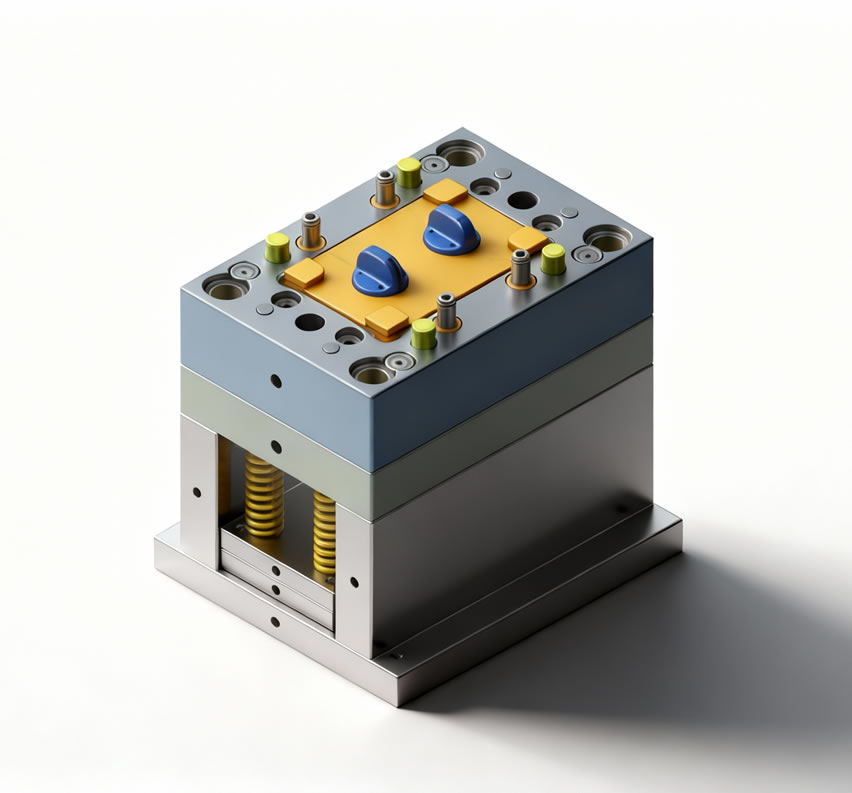
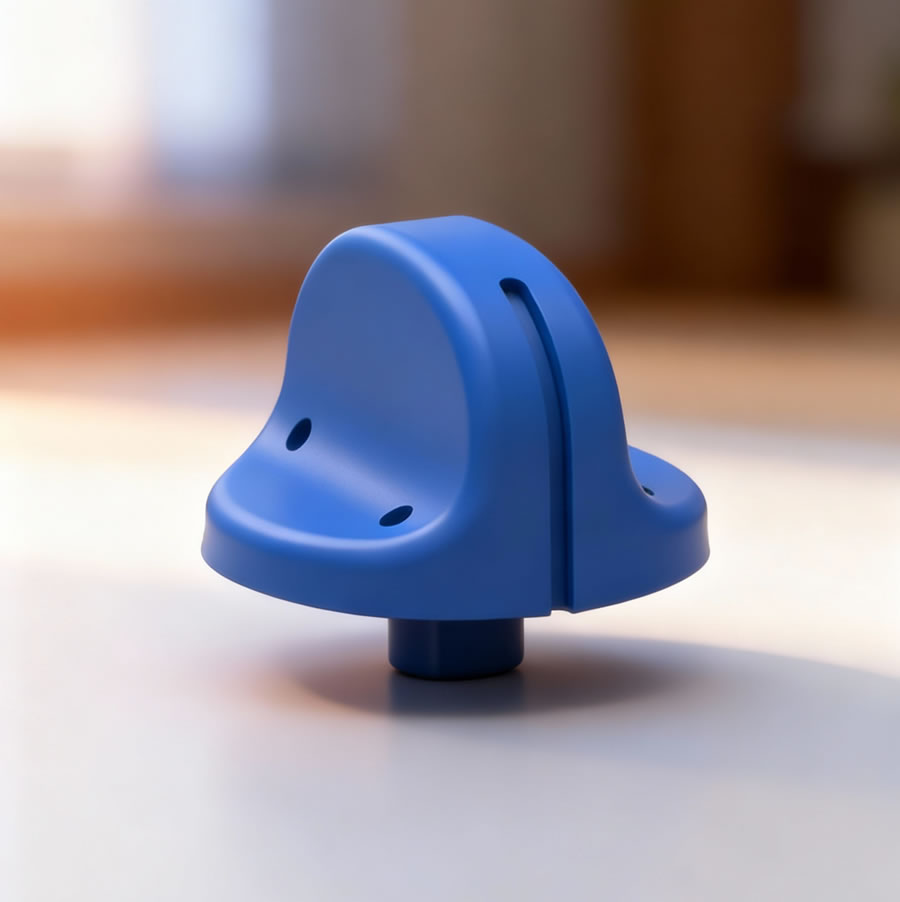
In high-frequency operation scenarios, the durability of buttons highly depends on the stability of the mold cavity and moving structures. For high-durability button molds, GP Mold selects high-wear-resistant steel materials (such as ASP-23, ASP-30, H13, 420ESR), and combines vacuum heat treatment, cryogenic treatment, and PVD/TiCN coating technologies to significantly reduce cavity wear and tactile structure fatigue. The ratchets, snap rings, and rotating mandrels in rotating button molds are all designed with surface hardening and self-lubricating features to ensure controllable torque decay and consistent feel under long-term cycling.
At the mass production level, GP Mold achieves high-speed and stable molding of button products through multi-cavity layouts, valve-gated hot runner systems, and sequential control technology. For keycap and small button molds, we can control the molding cycle within 6–8 seconds and support robotic automatic part removal and integrated online inspection. For two-color and overmolded button molds, a rotary or turret-type two-shot injection molding system is used, equipped with independent temperature control units to ensure strong bonding at the soft and hard plastic interface and dimensional stability.
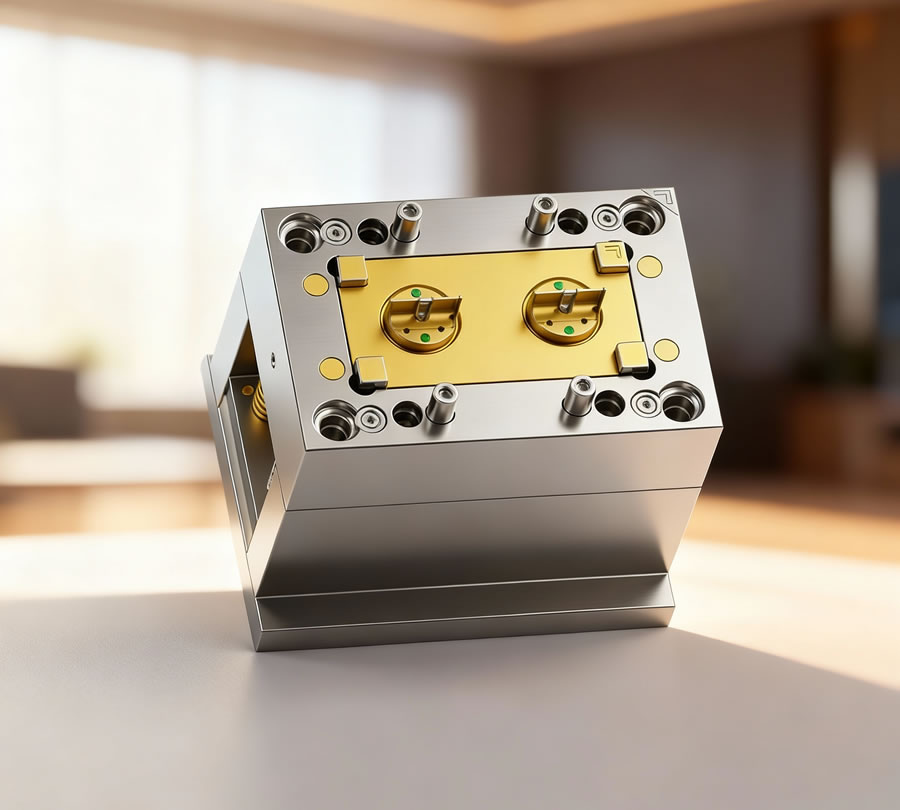
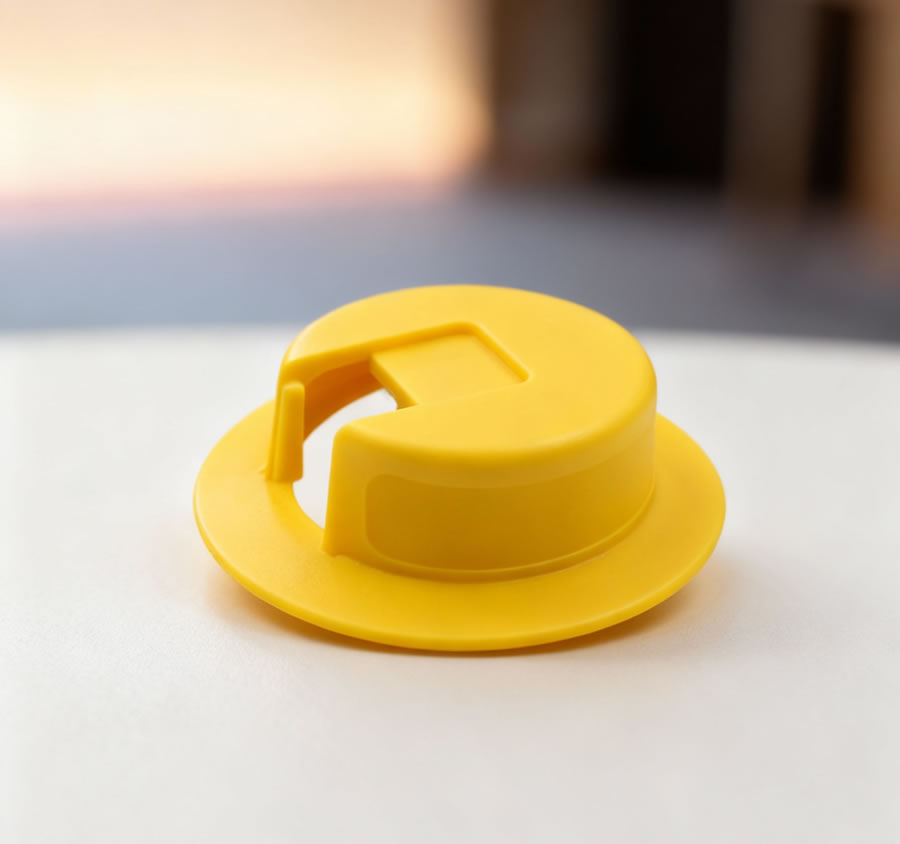
All button molds undergo a systematic verification process before delivery, including T1/T2 mold trials, tactile consistency testing, life cycle simulation, environmental reliability, and assembly verification. GP Mold can perform over 500,000 press cycle life tests, thermal shock tests (-40℃ to 120℃), and sweat and alcohol wipe corrosion tests during the mold trial phase; rotary buttons undergo additional torque decay and rotational life tests. Based on the ISO 9001 quality system and full-process data recording, we ensure that the molds exhibit predictable and reproducible long-term stable performance in the customer's mass production environment.

Get a quick quote from our team today.
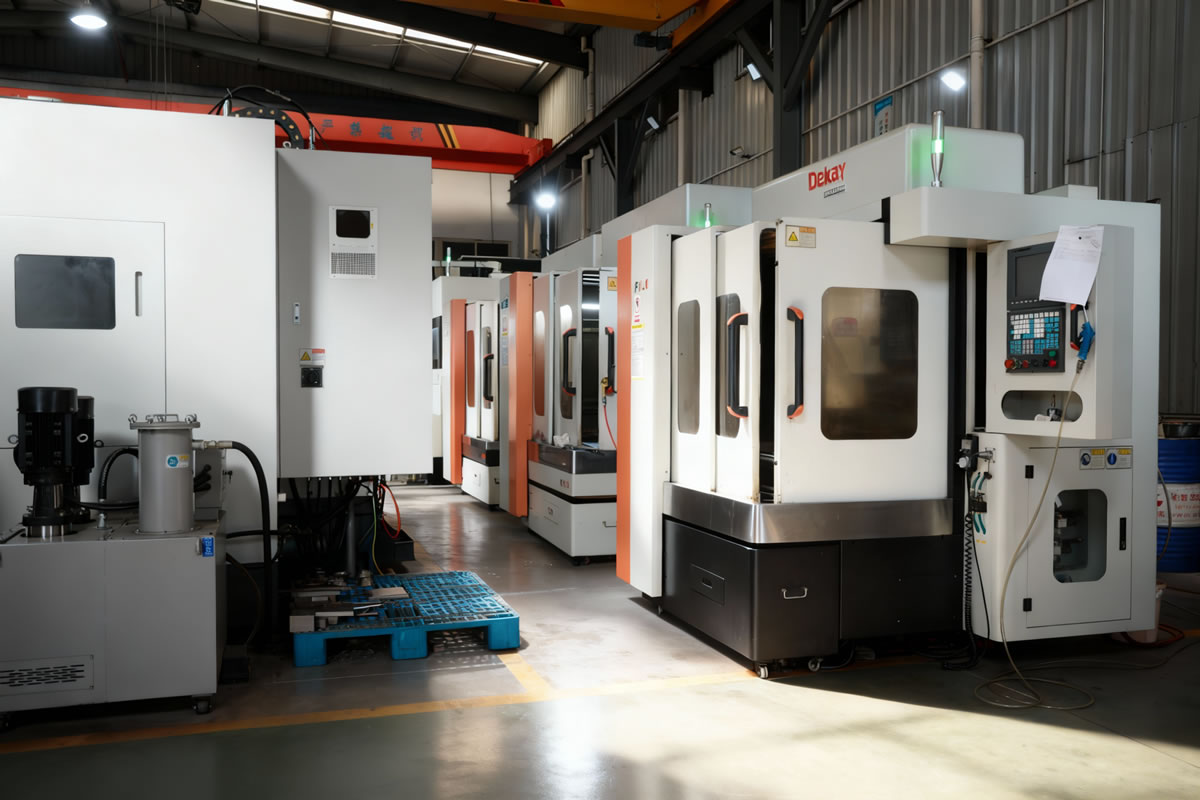
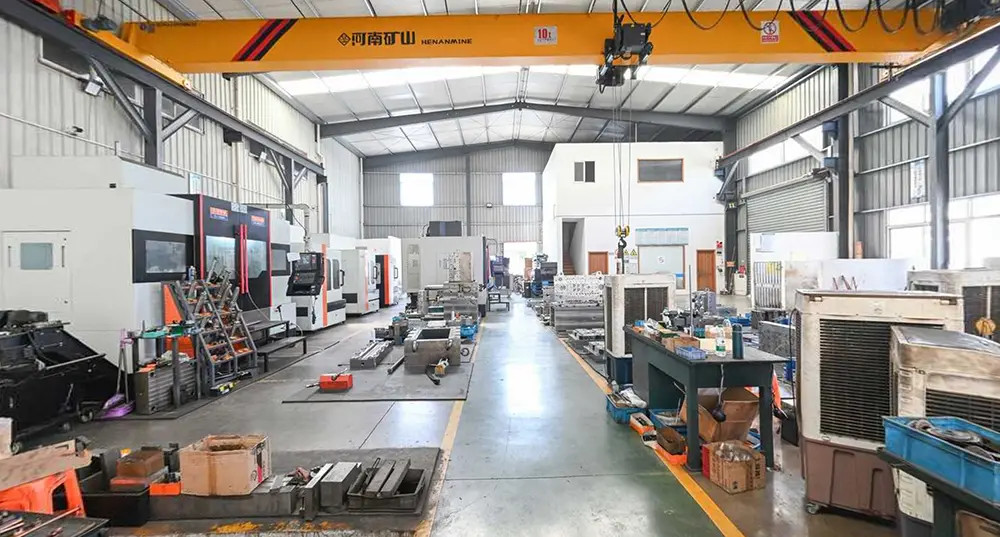
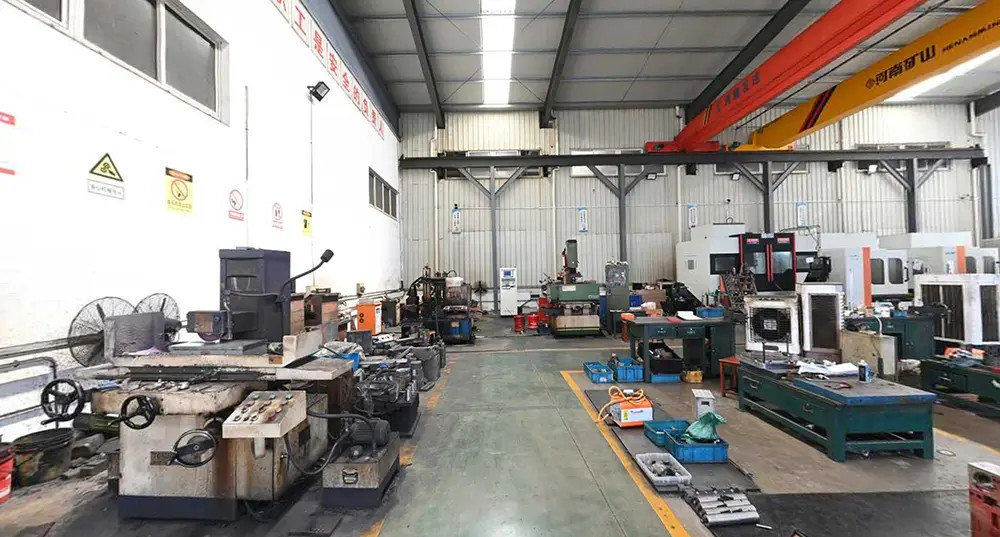
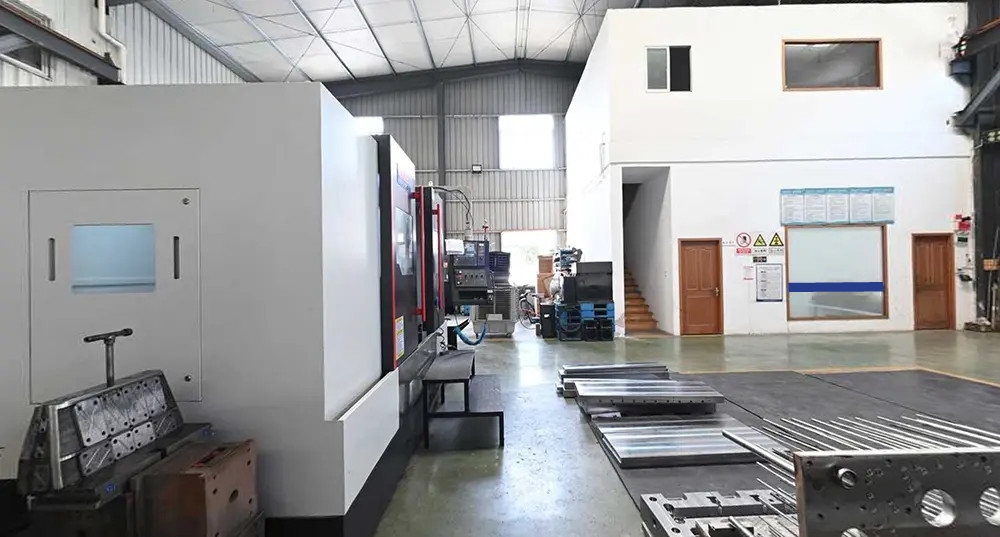
Take a closer look at our precision workshop, machining area and production environment.
 GPMold